Foam mattresses are designed with resilient foam layers that respond to body weight and help distribute pressure across the sleeping surface. Their close-conforming feel can support comfortable rest in different sleep positions. Mattress firmness, thickness, and material composition influence how a foam mattress feels and performs.
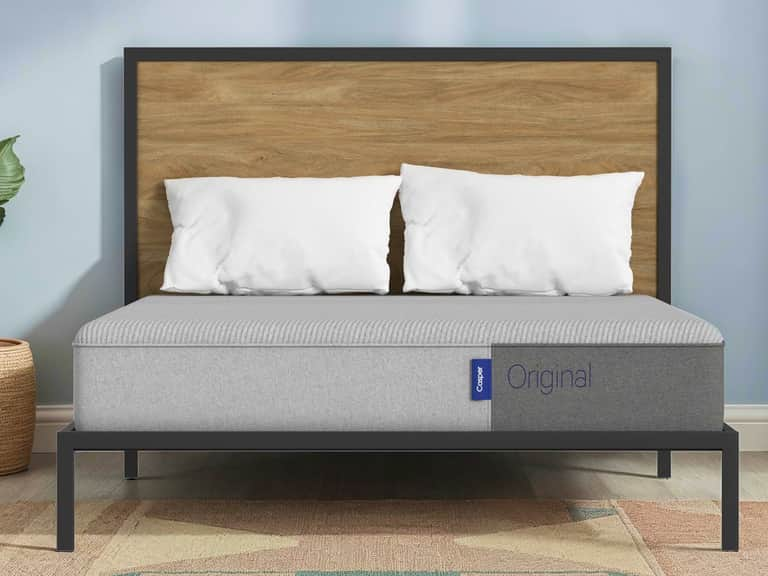
The Original Mattress is a foam mattress intended to balance cushioning and support. Its layered construction conforms to the body while helping provide an even sleep surface. These characteristics may suit sleepers seeking pressure relief and reduced motion transfer, especially when sharing a bed.
The Element Mattress offers a foam-based sleep surface with responsive cushioning and support. Its construction is designed to adapt to body contours while maintaining a stable feel. Comparing the Element Mattress with the Original Mattress can help clarify differences in comfort preferences, sleeping positions, and support needs.
Foam mattress materials vary in density, resilience, and breathability, so these properties can affect firmness, temperature, and long-term feel. Latex is another mattress material, known for its buoyant response and resilience. Understanding material differences helps people evaluate foam and organic mattresses according to their comfort priorities.
A mattress works as part of a broader bedding setup that may include pillows and sheets. Pillow height and mattress firmness can influence spinal alignment, while sheet fabric affects surface feel and airflow. Considering these details alongside mattress construction can support a more comfortable and functional sleep environment.
 Mattresses