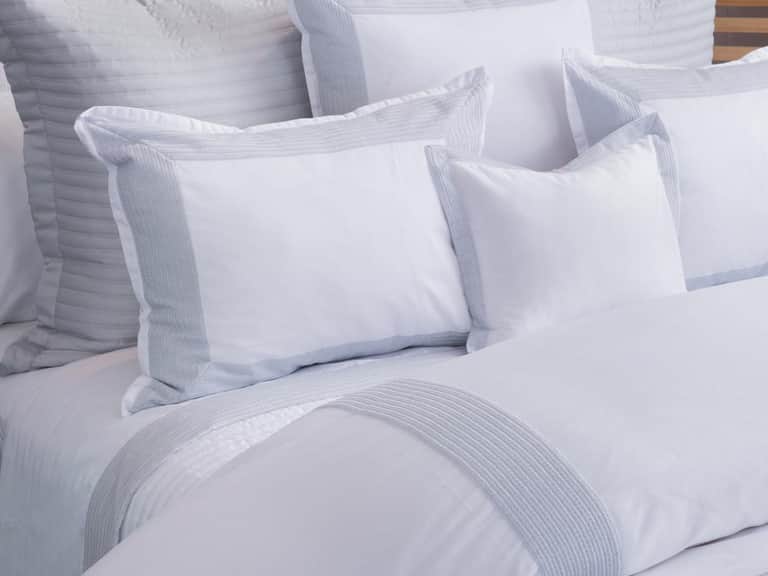
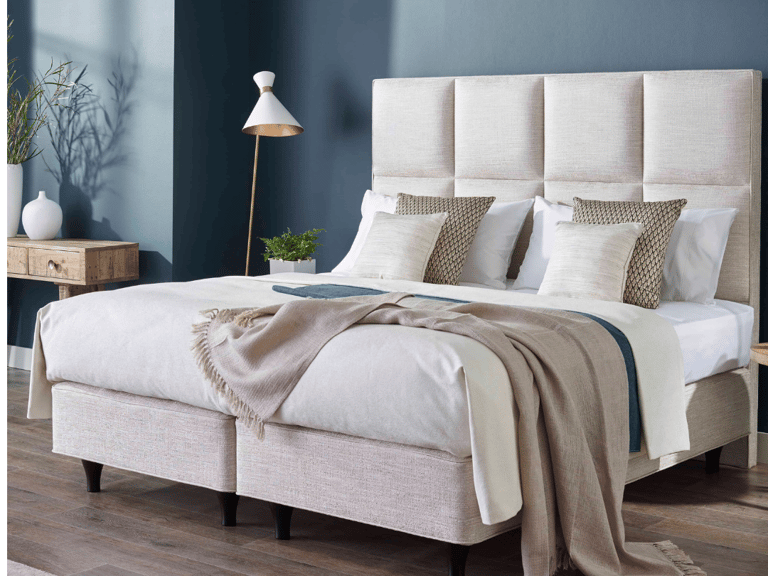
Even in an age of modest adornment, Austen’s heroines understood the ritual of the bed as both sanctuary and social stage. Her world teaches restraint, elegance, and the quiet power of comfort as a daily luxury—an important reminder that bedding, at its best, supports thought, reflection, and renewal after long days.
Understanding Bedding Materials: How to Choose a Comforter for Climate, Comfort, and Budget
In a world of endless textiles and tempers, our nights hinge on what we lay upon and wrap ourselves with. The topic of comforters—those downy guardians of warmth, or their budget-friendly cousins in synthetic coats—offers more than cozy semantics. It is a study in climate, care, and cost. This guided tour through fillings and shells will illuminate how climate, heat regulation, and long-term maintenance shape your choice, and how to balance luxury with practicality without surrendering sleep’s quiet sovereignty.
A quick map of the terrain: fillings and shells
Bedding technology travels in two major directions: the interior fill and the outer shell. Each choice interacts with temperature, humidity, and routine care. For many readers, the question is not simply “down or synthetic?” but rather “which combination delivers warmth without weight, breathability without clamminess, and durability without bankruptcy?”
Feathers and down (from ducks or geese) provide loft, warmth, and a light feel. Premium variants—Polish or Hungarian down, Canadian goose down, and Merino or alpaca blends—offer exceptional thermal regulation but often require more attentive care (dry-cleaning or careful washing). They tend to be pricier and require duvet covers to maintain loft and hygiene. The shell fabric—cotton sateen, percale, or blends such as TENCEL—plays a crucial role in temperature management and feel. A high-thread-count cotton sateen offers a smooth, luxurious surface; percale provides a cooler, crisper touch. TENCEL blends can bring moisture-wicking efficiency and silk-like drape. Polyester and other synthetic fills often provide excellent warmth-to-weight ratios, easy care, and budget-conscious options. They can be less breathable in humid heat but excel in durability and affordability.
Filling fundamentals: warmth, weight, and breathability
Fill power becomes a shorthand for loft and insulation. Higher fill power means a lighter setup can trap more air, yielding warmth with less weight—an elegant paradox that can be particularly appealing for those who sleep warm yet crave softness.
High warmth-to-weight ratio, excellent loft, and long life, but typically more care-intensive and expensive. Breathable and good for sensitive skin; tends to be heavier or cooler depending on fill weight and weave. Affordable, easy to wash, and widely available; warmth can be strong, but breathability varies by fabric and construction.
In choosing, consider your climate and personal warmth. If you sleep hot, you may prefer lighter, breathable wool or organic cotton shells with moderate fill. If you live in a very cold climate, a loftier down option or a wool blend with a strong outer shell may be ideal.
Shells: the skin you sleep in
The fabric surrounding the fill is not mere packaging; it interfaces with temperature and care. A tight weave can hold in warmth, while a breathable weave can wick moisture and keep you comfortable through the night.
Smooth, lustrous, often with a slightly higher thread count; a luxurious feel with good warmth retention. Crisp, cool, and breathable; ideal for hot sleepers or warm climates. Silky and moisture-wicking, often paired with wool or down to optimize temperature balance. Natural moisture management and a distinctive texture; excellent for warm climates in summer layering.
Budget-minded strategies for a bedding upgrade
We all want better sleep without a steep price tag. Here are practical guidelines that blend durability with thrift:
- Identify essential features: warmth level, ease of care, and longevity. A modest investment toward a balanced fill and shell can yield a durable, comfortable result.
- Compare cost per night of use: a higher upfront cost can pay off if the product lasts years with proper care. Consider warranty terms and return policies as part of the overall value.
- Care strategies: most premium fills benefit from duvet covers to protect, reduce washing, and extend loft. Follow manufacturer care instructions to optimize longevity.
- Seasonal layering: use lighter comforters with added blankets or heavier covers as the seasons shift. This modular approach can reduce the need for multiple, separate comforters.
A time-spanning trio: three key figures who illuminate bedding choices
While the topic is intimate and practical, it resonates with broader cultural currents. Here are three influential voices from different eras whose ideas help frame our modern approach to comfort, climate, and care:
Orwell’s clarity about daily life—how the ordinary items we touch define our freedoms—mirrors our concerns about durability and value. In a world of variable economies, a well-made comforter and its shell is more than coziness; it is a small stand for everyday independence, a shelter that doesn’t demand a ransom for quality.
Smith’s attention to texture, color, and social fabric invites a modern reader to consider how textiles carry meaning: the colors that soothe, the fabrics that breathe, the fills that cradle. Her observational lens helps us see bedding not only as utilitarian but as an intimate component of style, identity, and daily ritual.
A practical, editorial guide: choosing a comforter for climate, comfort, and budget
Climate-aware selections
If you live in a region with stark seasonal shifts, a multi-layer approach can be wiser than a single, heavy solution. Consider a lighter wool or organic cotton comforter for three-season use, paired with a robust duvet cover that can be added or removed as temperatures swing. For winter, a high-loft down or wool option can deliver warmth without the need for excessive weight.
Maintenance and care
Care instructions are not afterthoughts; they are the engine of longevity. A duvet cover keeps the interior filling clean, while careful washing, air drying, and periodic sunning can preserve loft. If you own a premium down or wool comforter, consider professional cleaning as recommended by the manufacturer to protect fibers and fill integrity.
A featured selection: BOVI Herron Sheet Set as a gateway to luxurious, budget-conscious bedding
BOVI Herron Sheet Set
A refinement in 100% cotton sateen, the Herron Sheet Set from BOVI is woven in Portugal with a bold herringbone embroidery that adds depth to a classic finish. While linens can be a splurge, this set demonstrates how a measured choice—high thread count, elegant embroidery, and a durable weave—delivers enduring luxury without overpowering the budget. It stands as a practical exemplar of how style and durability can align with value.
Price: $461.00
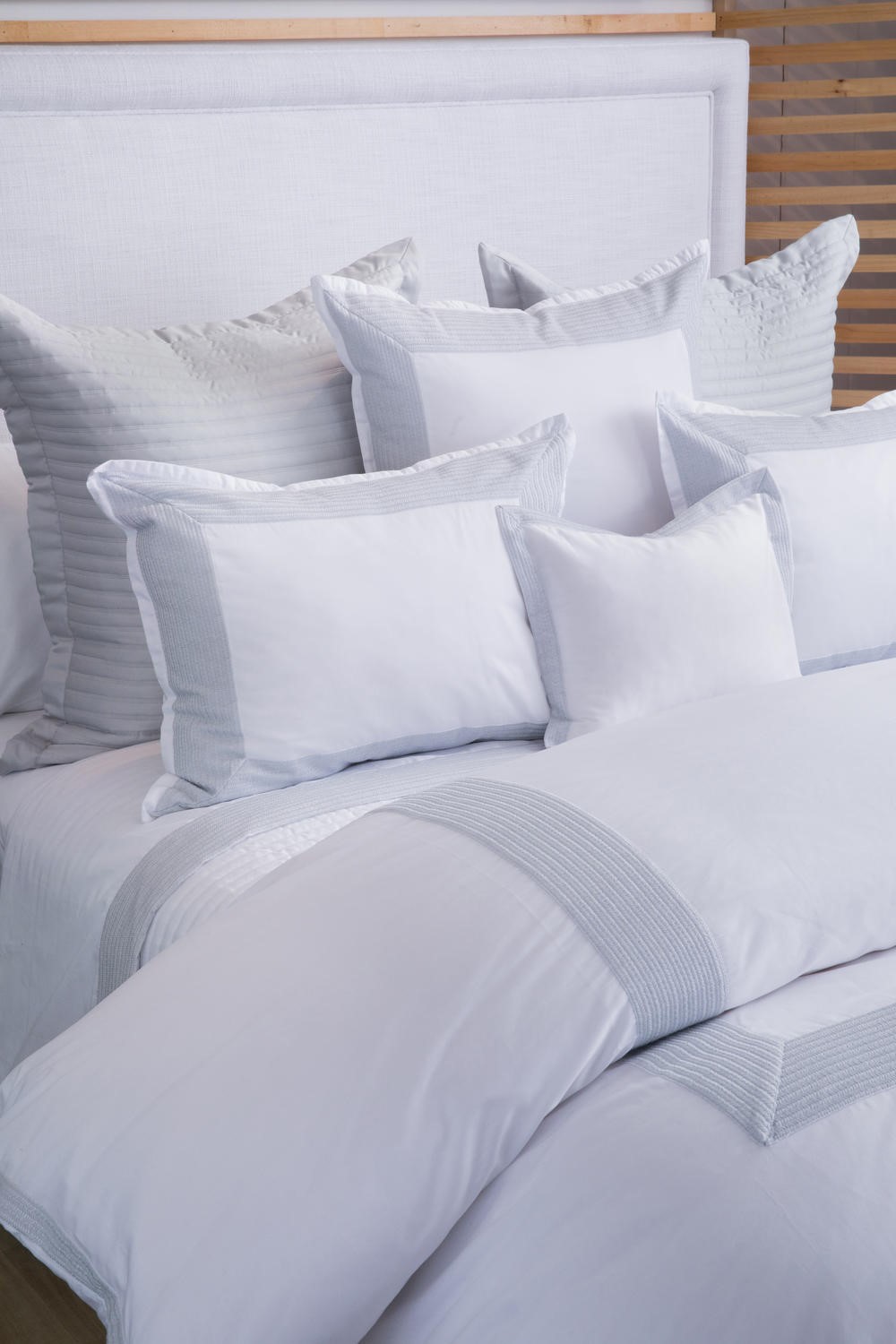
Note: The image above is for reference from a catalog listing. Availability and color options may vary by retailer.
Practical quick-start guide: selecting a comforter for climate, comfort, and budget
- Assess your climate: a four-season environment benefits from a modular setup—lighter wool or organic cotton for three seasons, plus a supplement for extreme cold.
- Choose a fill first: wool and down provide warmth with different textures and care needs; synthetics can offer budget-friendly warmth with easy care.
- Pair with a suitable shell: a cotton sateen or percale—decide on warmth and feel. Consider a TENCEL blend for moisture control.
- Protect and maintain: use duvet covers; follow washing instructions, and store in a dry, cool place to preserve loft and fabric integrity.
Conclusion: a literate, sensorial approach to sleep
Understanding bedding materials invites a more intimate literacy of sleep: the language of warmth and weight, the dialects of breathability and care. The right comforter—selected with climate, comfort, and budget in mind—transforms a bedroom into a sanctuary where the day’s worries recede into a silhouette of calm. The aim is not to chase the luxury that costs more, but to curate the luxury that lasts—the durable beauty of a well-chosen comforter, wrapped in the right shell, cared for with steady hands, and enjoyed long into many winters and warm summers to come.
For readers seeking a tangible example within this guide, the BOVI Herron Sheet Set, with its understated luxury and durable finish, exemplifies how thoughtful materials and design can elevate daily life without pressing the wallet. And by aligning the choices—filling, shell, and care—with climate and routine, you can craft a sleep experience that is as dependable as it is beautiful.
Notes on product display and images
The following product image is included to illustrate the texture and construction of a high-end sheet set. It provides a visual sense of the sheen and weave that distinguish premium cotton sateen sheets like the BOVI Herron Sheet Set: