How to Choose the Right Comforter: A Practical Guide for Sleep Comfort on a Budget
A good night’s sleep begins with the bed you climb into. The comforter is not merely a layer of warmth; it is a daily ritual, a tactile conversation between body and environment. In this guide, we explore the essentials of selecting a comforter that balances climate, sleep style, and budget—without compromising comfort or longevity. We’ll trace materials, warmth levels, and care tips, and we’ll introduce time-honored voices from different eras who illuminate our understanding of warmth, texture, and the art of rest.
1) Understanding Fill: Down, Wool, and Synthetic
When a comforter is described as “down-filled,” the loft and insulating properties rest in the tiny clusters of feathers. Deals on bedding often hinge on the balance between warmth, weight, and price. A down comforter tends to be lighter yet warmer per ounce, providing exceptional warmth without bulk. Wool, on the other hand, shines in its natural temperature regulation. It breathes, wicks moisture, and remains warm in cold nights while staying relatively cool when the room heats up. Synthetic fillings—typically polyester blends—offer budget-friendly warmth and resilience, easy care, and a consistent performance across climates, though often at the expense of breathability and long-term loft.
A practical way to think about fill is: warmth per weight. If you live in a temperate climate and sleep with a cool-to-average body temperature, a mid-weight down or wool comforter can offer year-round comfort. If you’re in a very warm environment or are a warm sleeper, a lighter weight or a breathable wool version may serve better. For guests or rooms with fluctuating temperatures, consider layering—using a lighter comforter at the core and adding a duvet cover for easy temperature adaptation.
2) Shell Fabric: The Outer Layer That Shapes Comfort
The fabric surrounding the filling—often cotton or a cotton-blend shell—affects feel and durability. A high-thread-count cotton shell, such as a 300–400 thread count cotton sateen, provides a smooth, luxurious hand and helps prevent the fibers from poking through. A crisp cotton percale offers a cooler, more breathable surface, ideal for sleepers who run warm. For those who prioritize easy maintenance, a washable organic cotton shell is a practical choice that aligns with sustainable values.
Quality shells also influence care. A well-stitched shell with baffle-box construction (segments that keep the filling evenly distributed) prevents cold spots and maintains consistent warmth. When you pair a robust shell with a well-constructed fill, you extend the life of your comforter and preserve loft through countless washes.
3) Climate and Sleep Style: Matching Warmth Levels
Your climate and sleep style should guide warmth selection. A general framework to navigate warmth is:
- Light warmth (all-season or three-season): lightweight down or wool, 2–5 inches of loft equivalent in warmth.
- Moderate warmth (cooler nights, temperate climates): mid-weight down or wool, with medium loft for balanced insulation.
- Extra warmth (very cold environments): heavier options with higher fill power or thicker wool layers; consider layering with a duvet cover for adjustable warmth.
Layering with duvet covers is not merely practical; it’s an aesthetic and tactile merit. A breathable shell allows you to peel back warmth without sacrificing comfort, a strategy that remains cost-effective as seasons shift and temperatures swing.
4) Value and Longevity: Getting the Most for Your Money
Budget bedding often trades upfront cost for long-term value. A well-chosen comforter might cost more initially but lasts longer, outscoring cheaper alternatives in loft retention and hygiene. The value proposition often lies in:
- Quality fillings: organics like wool with proper care or responsibly sourced down can last years with proper care.
- Construction: box-baffle designs and robust shell fabrics reduce clumping and shifting, extending loft and warmth consistency.
- Care requirements: some down and wool fillings require mindful washing (or dry cleaning, less frequently) but reward you with lasting performance.
A practical approach is to invest in one high-quality comforter that suits your climate and warmth preference, while using a lighter, affordable second layer for transitional weather. This combination often yields both comfort and cost efficiency over time.
5) A Practical Try: Integrating a Notable Product
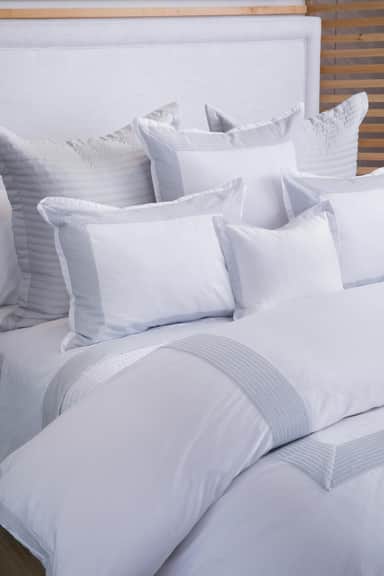
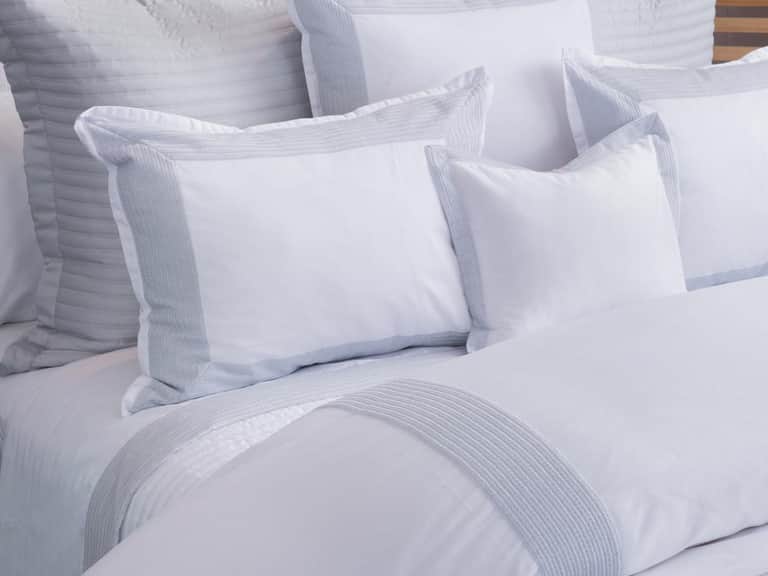
To illustrate the balance of price, quality, and design, consider the BOVI Herron Sheet Set as part of the layered sleeping experience. While not a comforter itself, it represents the kind of European craftsmanship that characterizes thoughtful sleep environments—cotton sateen with a luminous hand and bold embroidery that hints at the luxury hidden beneath everyday linens. The sheet set’s refinement parallels how a well-chosen comforter can elevate your entire bed setup.
A bed is not a single piece; it’s a system. The shell, the fill, the layering—these elements work in concert. The Herron sheet set, with its crisp, high-quality weave, demonstrates how attention to texture and finish translates into daily comfort, just as a well-chosen comforter translates warmth and mood into every night’s rest.
For a direct product example from the catalog, the BOVI Herron Sheet Set is a striking model of how materials and construction underpin luxury without ostentation. It’s a tangible reminder that finding the right comforter is not about chasing the most expensive piece but about selecting a coherent ensemble that supports sleep, budget, and well-being.
6) Historical Voices: Three Key Figures on Comfort and Sleep
Across centuries, three distinct voices offer insight into warmth, shelter, and the human need for restful nights. They remind us that even the most modern bedding debates have roots in long-standing cultural imaginations of comfort.
1) Sir Thomas Browne (1600s)
In the 17th century, Browne’s essays on manners and the body hint at the intimate relationship between warmth, shelter, and reverie. While he did not write about comforters as we do, his meditations on the body and environment illuminate a sense that comfort starts with purposeful, crafted surroundings—approaching sleep as a small architecture of care.
2) Florence Nightingale (1820s–1910s)
A strategist of patient well-being, Nightingale’s era emphasized the healing power of comfort, the importance of cleanliness, and the climate of a room. Her advocacy for proper ventilation, temperature control, and hygienic bedding foreshadow the modern obsession with breathable shells and responsibly sourced materials—an early blueprint for thoughtful sleep environments.
3) Le Corbusier (1887–1965)
In architecture, Le Corbusier preached rational design and a sense of proportion that could apply to beds and spaces. Though not a bedding theorist, his insistence on functional elegance and modular planning invites us to think about comforters as part of a coherent, well-ordered bedroom—where form serves function and warmth aligns with habitus.
7) Practical Guidance: How to Choose Your Comforter
- If you live in a cool climate, a mid-weight to heavy down or wool comforter with a breathable shell can be an efficient investment. In warm climates, a lighter wool or down, or even a breathable synthetic, can deliver comfort without overheating.
- Look for loft ratings or fill power. A higher fill power down (e.g., 600–900) can offer more warmth with less weight. For wool, consider the thickness and exposure to humidity in your bedroom.
- A 300–400 thread-count cotton shell with a baffle-box construction ensures even distribution of fill, reducing cold spots and ensuring longevity.
- Prioritize quality where it matters most—fill power or wool integrity, shell durability, and a trustworthy warranty—while using layered bedding to adapt to seasonal changes.
- Down and wool often require gentler care; some products advise professional cleaning or spot-cleaning. Plan accordingly to preserve loft and hygiene.
8) Final Thought: The Everyday Luxury of a Right Comforter
A comforter is a daily companion. It is the quiet luxury of warmth, the tactile embrace that makes the simplest act—falling asleep—feel like a small, personal ceremony. The right choice may be economical in the moment, but its true value reveals itself in seasons and years: loft retained, warmth matched to your body, fabrics that feel like a second skin after countless washes. In this sense, budget bedding is not a compromise; it is a careful negotiation with time, climate, and body rhythm—the quiet poetry of a good night’s sleep.
Product Spotlight: BOVI Herron Sheet Set
BOVI Herron Sheet Set
Woven in Portugal from 100% cotton sateen, this set offers a smooth, luminous finish with a bold herringbone embroidery in white or silver. At 300-thread-count, it balances elegance with everyday comfort, and the set includes a flat sheet, fitted sheet, and pillowcases in multiple sizes.
Price: $461.00
Note: Product image above is for illustrative purposes. Availability and imagery may vary by region.
Closing Note: A Thoughtful Budget Approach to Comfort
As you navigate the world of comforters, remember that one high-quality piece can anchor your bed—a foundation that supports rest, mood, and daily performance. The goal is not scarcity of warmth but abundance of calm. When you pair a well-chosen comforter with thoughtful layering, breathable shells, and a mindful care routine, you craft a sleep sanctuary that respects both wallet and well-being. The discipline of good sleep—like good design—starts with attention to detail, and ends in better mornings.